
Where we operate
California is one of the most prolific oil producing regions in the world and the eighth-largest oil producing state in the nation in 2025, according to the latest data available from the U.S Energy Information Administration.
California Resources Corporation (CRC) and its subsidiaries, Aera Energy LLC and Berry Corporation (bry), have operations in the following major California and Utah oil and gas basins. CRC also owns and operates Crimson Midstream, a wholly owned subsidiary with an extensive crude oil pipeline network across California.
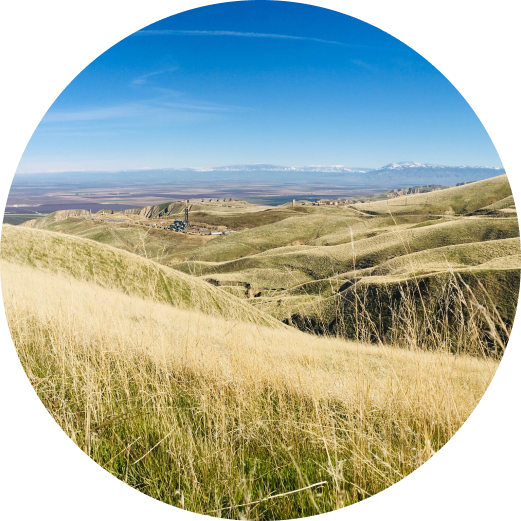
San Joaquin Basin
Approximately 81 percent of CRC’s estimated proved reserves as of year-end 2024 are located in the San Joaquin Basin. CRC actively operates and develops 38 fields in this basin consisting of conventional primary, improved oil recovery, enhanced oil recovery and unconventional project types. As of year-end 2024, CRC held approximately 1.3 million net mineral acres in the San Joaquin Basin, approximately 89 percent of which CRC holds in fee.
CRC operates several fields in the San Joaquin Basin, including Elk Hills, as well as the Buena Vista and Coles Levee fields, which have primary and waterflood production. CRC has also been successfully developing steamfloods in our Kern Front operations. We believe our extensive 3D seismic library, which covers over 1,250 square miles in the San Joaquin Basin – over half our gross mineral acreage in the basin – gives us a competitive advantage in field development.
On July 1, 2024, CRC completed a merger with Aera Energy LLC. As a subsidiary of CRC, Aera operates five fields in this basin including the Midway-Sunset and Belridge fields.
Commercial petroleum development began in the San Joaquin Basin in the late 1800s when asphalt deposits were mined and shallow wells were hand dug and drilled in the Coalinga, McKittrick and Kern River areas. Rapid discovery of many of the largest oil accumulations followed during the next several decades, including the Elk Hills Field. Most discovered oil accumulations occur in Eocene-age through Pleistocene-age sedimentary sections. Source rocks are organic-rich shales from the Monterey, Kreyenhagen and Tumey formations.
Thermal enhanced oil recovery was pioneered in the San Joaquin Basin in the 1960s, and CRC operates a prolific steamflood in the Kern Front Field. In addition to significant oil production, CRC recycles the produced water from Kern Front for reuse in steam generation and reclaims surplus produced water for beneficial use by agricultural water districts, making our company a net water supplier.
In 2024, CRC supplied more than 4.71 billion gallons of treated, reclaimed water for agricultural water districts – more than three times the amount used by CRC and our Aera subsidiary. This water helps sustain thousands of acres of productive farmland and associated farmworker jobs.
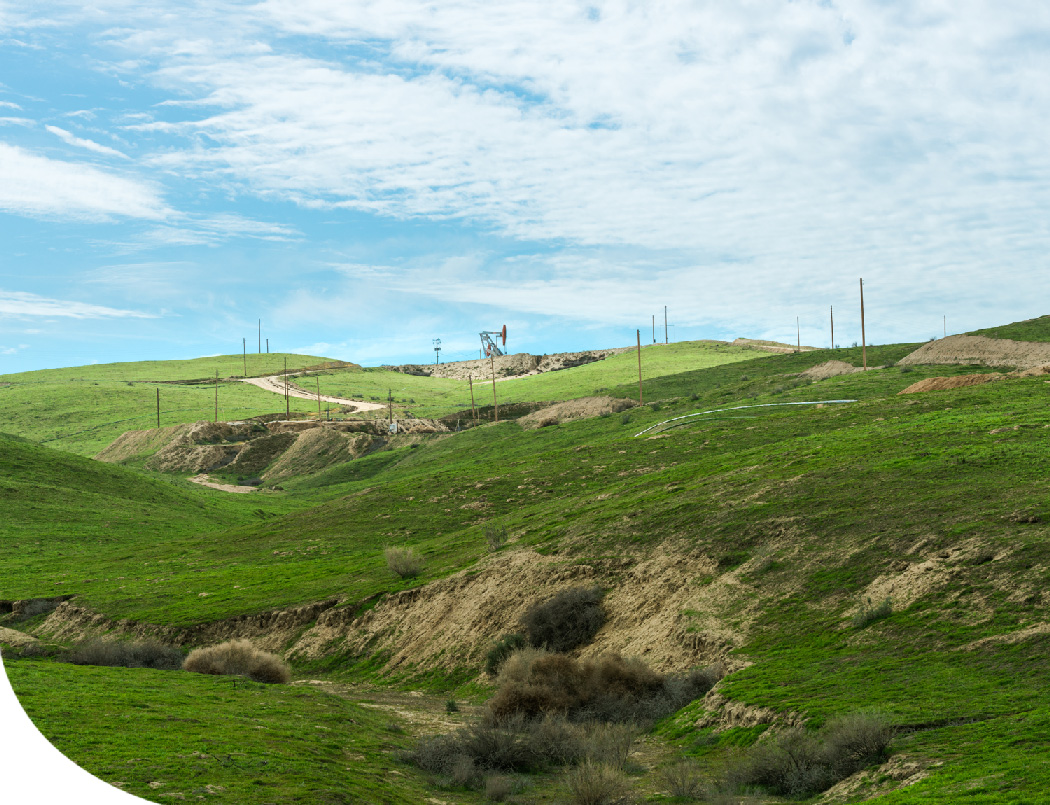
Elk Hills Field
The Elk Hills Field is located 20 miles west of Bakersfield in Kern County. The field, covering nearly 75 square miles, was discovered in 1911 and has produced over 2 billion barrels of oil equivalent (BOE), making it one of the most productive fields in the United States. During 2024, we produced 31,000 BOE per day (28 percent of CRC’s total production) on average from our wells at Elk Hills.
The operations at Elk Hills include a state-of-the-art consolidated control facility, remote automation control on over 95 percent of wells, and integrated production facilities for economies of scale, all of which result in high operational efficiencies.
CRC operates Elk Hills Power Plant, a 550-megawatt (MW) combined-cycle cogeneration power plant located adjacent to the Elk Hills natural gas processing facility. Approximately a third of the electricity generated from this plant is used in our oil and natural gas operations at Elk Hills and other nearby producing fields. The balance of the power capacity is currently marketed into the resource adequacy market with excess energy produced being sold into the California Independent System Operator (CAISO) wholesale market; energy designated by the State to be bid into the market for the reliable operation of the power grid.
CRC also operates efficient natural gas processing facilities including a cryogenic gas plant in California, with a combined gas processing capacity of over 330 million cubic feet per day (MMcf/d), and a 45-MW cogeneration plant to provide steam and electricity to the field as needed.
Elk Hills Field is home to some of CRC’s proposed Carbon TerraVault projects including CalCapture and the California DAC Hub. The field will provide carbon capture and storage for critical industries and access to clean and reliable power for new AI data centers.
Beyond CRC’s essential role in supplying Californians with much needed oil, natural gas and natural gas liquids (NGLs), and electricity, federal and state resource agencies have recognized CRC for our commitment to environmental stewardship at Elk Hills. CRC established an 8,000-acre habitat conservation area and received a 50-year state permit in 2016 that will preserve at full field development an additional 17,500 acres in perpetuity, for a total conservation area equivalent to over half the surface area of the Elk Hills field and over 25 percent of CRC’s total surface acreage. CRC’s habitat conservation program, which is certified by the Wildlife Habitat Council, also includes operating practices to protect unique plant and animal species and cultural resources at Elk Hills and western Kern County.
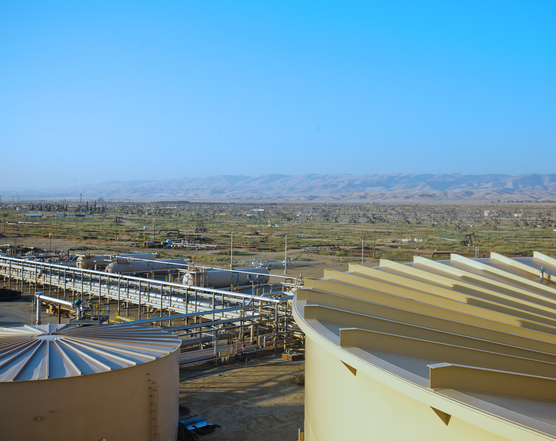
Belridge Field
Operated by Aera, Belridge is the largest oilfield operation in the San Joaquin Basin, located approximately 45 miles northwest of Bakersfield, and includes the North Belridge, South Belridge, Cymric, McKittrick and Lost Hills fields. South Belridge, discovered in 1911 by the Belridge Oil Company, is the fourth-largest oilfield in California and the sixth-most productive field in the United States.
Midway-Sunset Field
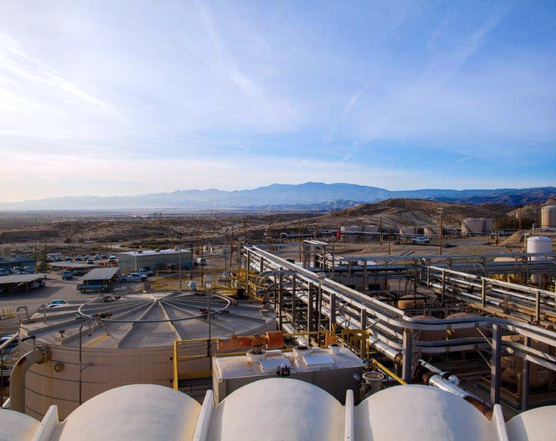
The Midway-Sunset oilfield is in southwest Kern County along Highway 33, stretching between the cities of Taft and Maricopa and continuing north of Fellows almost to Derby Acres. The field, discovered in 1894, is the largest known oilfield in California and the third largest in the United States.
Coalinga Field
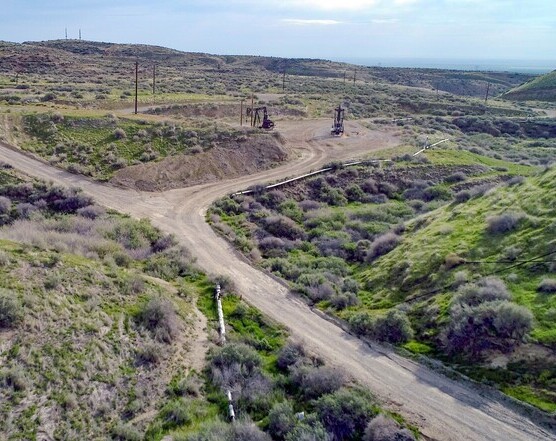
Discovered in 1898, Coalinga covers about 15-square miles in Fresno County, nine miles northwest of the city of Coalinga. Crude oil produced at Coalinga goes to the Northern California refining market.
Ventura Basin
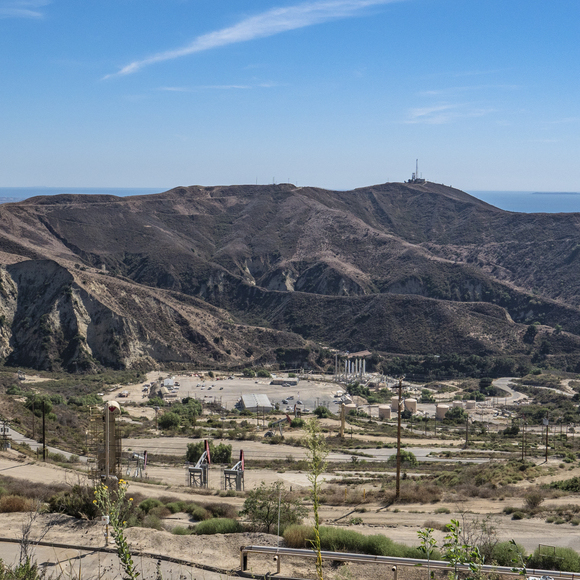
The Ventura Basin contains a Cretaceous-age to Pleistocene-age, mostly marine, sedimentary section in a major fold and thrust belt that began developing during the late Pliocene. The basin is the onshore part of the main structural feature, and its offshore extension is the modern Santa Barbara Basin. All of the sedimentary section is productive at various locations, and most reservoirs are sandstones with favorable porosity and permeability.
In general, most traps are anticlinal, with significant stratigraphic trapping. The Ventura Basin contains multiple stacked formations throughout its depths, and we believe that it provides an appealing inventory of existing field re-development opportunities, as well as new play exploration potential.
Aera’s assets in the Ventura Basin are located in the hills just north of the City of Ventura along Ventura Avenue. Crude oil has been actively produced in Ventura County since the 1920s.
After the natural gas is processed at Aera’s Ventura facility, it is sold to Southern California Gas Company for use in homes and businesses. The crude oil goes to the Los Angeles refining market.
Los Angeles Basin
Approximately 14 percent of CRC’s estimated proved reserves as of year-end 2024 were located in the Los Angeles Basin. Our operations in the Los Angeles Basin presently include conventional primary, improved oil recovery and enhanced oil recovery projects. We have a leading mineral acreage position within the Los Angeles Basin with approximately 35,000 net mineral acres, over half of which CRC holds in fee, and over 50 percent of the Basin’s production comes from the fields we operate.
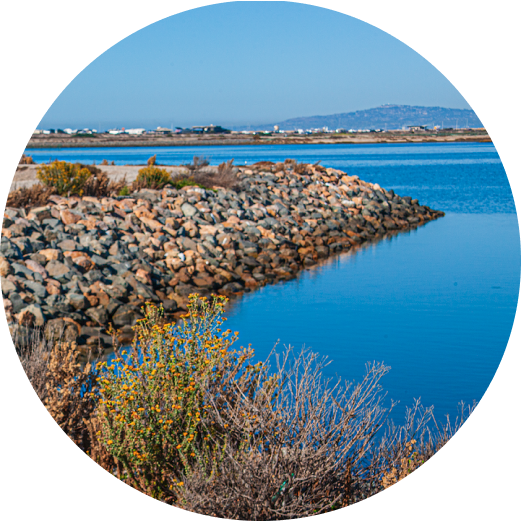
The Los Angeles Basin is a northwest-trending plain about 50 miles long and 20 miles wide on the coast of Southern California containing Miocene through Pleistocene sediments. The basin has great structural relief and complexity in relation to its geologic youth and is noted for a century of abundant oil production. The Los Angeles Basin’s prolific source rocks, thick sandstone reservoirs and large anticlinal traps are considered a nearly ideal petroleum system. As a result, the Los Angeles Basin has one of the highest concentrations per acre of crude oil in the world with 68 fields in an area of about 450 square miles. These accumulations of fine-grained sediments with high organic content, interlayered with coarser grained sands, contributed to the formation of large deposits of oil, including the Wilmington Field where we have significant operations. The Los Angeles Basin contains multiple stacked formations throughout its depths, and we believe that it provides a considerable inventory of existing field re-development opportunities, as well as new play discovery potential.
CRC’s operations in Long Beach and Huntington Beach are located in unique coastal ecosystems. CRC’s longstanding habitat conservation programs at the THUMS Islands in the Wilmington Field are certified by the Wildlife Habitat Council. CRC also partners with local environmental organizations and government agencies to preserve and protect these coastal resources.
In 2024, CRC's operations in the Los Angeles Basin received a “Grade A” certification by MiQ, a global leader in the transparent certification of methane emissions data. This is the first “Grade A” independently certified gas (ICG) designation that MiQ has presented to oil and natural gas operating assets in California and the Rocky Mountain region and demonstrates CRC’s dedication to its sustainability goals and platform.
Learn more by downloading our Long Beach Snapshot brochure, available in English (PDF) and Spanish (PDF).
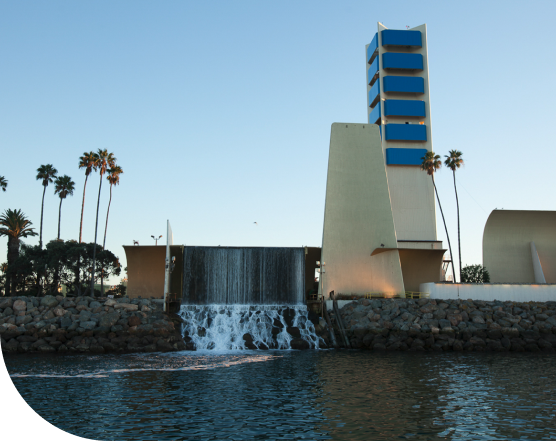
Wilmington Field
THUMS Long Beach COMPANY
THUMS comprises four oil production islands in Long Beach Harbor that are owned by the City of Long Beach, as well as facilities in the Port of Long Beach. The THUMS islands, which are about 10 acres in size, were named after four astronauts who died in the line of duty in the early years of the U.S. space program. The THUMS islands were designed to blend in with the surrounding coastal environment and are a popular feature of the City’s skyline. Drilling rigs and other above-ground equipment are camouflaged and sound-proofed, and wellheads and pipelines are located below ground.
THUMS' unique combination of production functionality, visual appeal and environmental and safety features has garnered the facility numerous awards and recognition from local, state and national organizations. All four THUMS islands have award-winning habitat conservation programs and have been certified by the Wildlife Habitat Council (WHC). Since 2004, the environmental team at THUMS has worked with WHC and community groups to establish and maintain California plant habitats on the islands.
Tidelands
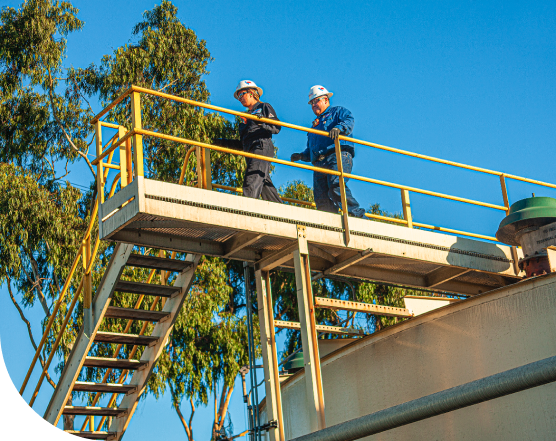
Tidelands is the contractor that operates the West Wilmington Field for the City of Long Beach and the State of California. Tidelands' wells and production facilities are located in and around the Port of Long Beach. Tidelands has the distinction of being the only field in California that is operated entirely by union members, all with Local 675 of the United Steelworkers. Advanced exploration technologies such as reservoir characterization have been employed in the field, and oil production revenues from both Tidelands and THUMS support many key public services in the City of Long Beach.
San Ardo Field
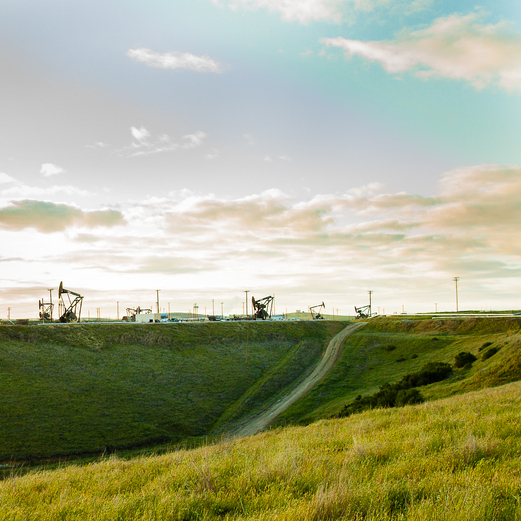
Discovered in 1947, San Ardo covers about seven-square miles located about 30 miles north of Paso Robles.
Heavy oil produced at San Ardo goes to the Los Angeles refining market.
Sacramento Basin
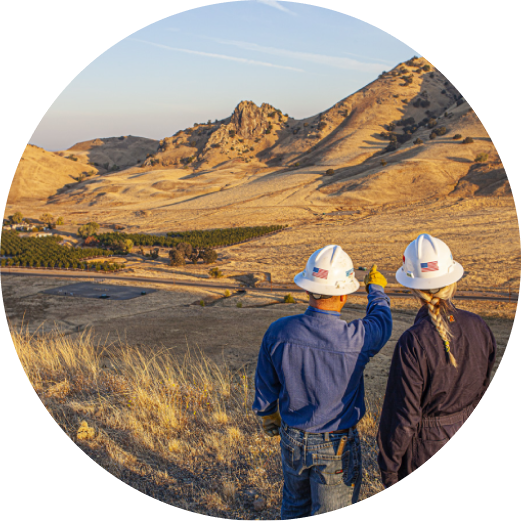
California Resources Corporation (CRC) operates 21 fields in the Sacramento Basin primarily consisting of dry gas production which supplies natural gas to the San Francisco Bay Area. CRC holds 421,000 net mineral acres in the basin as of year-end 2024, 47 percent of which we hold in fee.
The Sacramento Basin is a deep, thick sequence of sedimentary deposits within an elongated northwest-trending basin located in northern California covering approximately 12,000 square miles and forming the northern part of California’s Central Valley. It contains a thick sequence of sedimentary deposits that range in age from lower Cretaceous to Neogene sediments in an area that is approximately 200 miles long and 45 miles wide. Producing reservoirs range from upper Cretaceous-age to Pliocene-age. The main reservoirs are the Cretaceous Starkey, Winters, Forbes, Kione, and the Eocene Domengine sands. Exploration in the basin started in 1918 and was focused on seeps and topographic highs. In the 1970s, the use of multifold 2D seismic surveys led to large discoveries in the basin. The acquisition of 3D seismic surveys in the mid-1990s helped define trapping mechanisms and reservoir geometries. The Sacramento Basin has been extensively explored for petroleum resources, and more than 10 trillion cubic feet of natural gas has been produced.
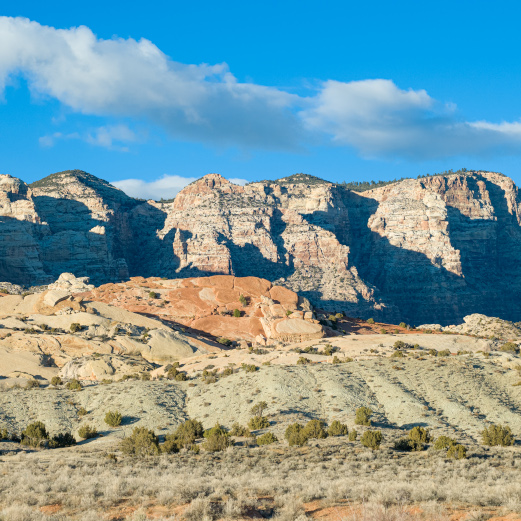
Uinta Basin
Through our merger with Berry Corporation (bry), we now operate in the Uinta Basin of northeastern Utah - a geologically rich and dynamically evolving region that plays an important role in our upstream portfolio.